EB Psychotherapy Blog


Explore our blog for insightful articles, personal reflections and ideas on topics that you may care about and that we are hoping will be thought provoking.


Reasons Some People Struggle with Setting Boundaries

Setting boundaries is a journey toward healthier, more fulfilling relationships. It’s about ensuring your needs are met and that you have the energy and confidence to thrive.

Reason 1: Fear of Being Called Selfish

Many people fear being labeled as selfish when they try to set boundaries. However, it's crucial to change this mindset. Setting boundaries is about taking care of your health and well-being, not about putting yourself ahead of others. Think of it like going to the doctor or starting a diet—these actions aren't selfish; they're necessary for your health.

Procrastination: Do It Today, Not Tomorrow

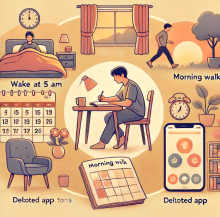
It's crucial to remind ourselves to take action today, not tomorrow. Procrastination often tempts us to delay, but embracing a proactive approach can transform our lives. Here are some key strategies to lead a productive, happy, and purposeful life.

Enhance Mental Resilience 

Mental strength is essential for overcoming challenges. Engaging in practices such as reading about Stoicism, Pragmatism, and Mindfulness can help control thoughts and enhance mental resilience. The goal is to master thoughts, not be enslaved by them.

Understanding and Improving Self-Esteem

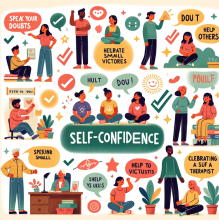
Self-esteem is how we view and value ourselves. It influences our happiness and relationships with others. Everyone has self-esteem, but it can vary greatly. Some people feel confident and happy with who they are, while others may struggle with low self-esteem or even an inflated self-image that can harm their interactions with others. Regardless of where you fall, understanding self-esteem is key to improving your life.

Building Resilience

Resilience is the ability to cope with and adapt to challenging situations, bouncing back even after facing significant adversity.

Key Factors for Resilience:

  1. Self-Esteem: Believe in your worth and capabilities.
  2. Humor: Find joy and laughter even in tough times.
  3. Insight: Understand and reflect on your experiences.
  4. Independence: Rely on yourself to navigate challenges.

Practical Strategies for Resilience:

Understanding Codependency

Codependency is a pattern of thinking, feeling, and behaving that can make it difficult for you to recognize and follow your own needs, desires, and emotions. It's as if you have developed a heightened sensitivity to the feelings and needs of others, always trying to tune into their vibes. When you're codependent, you often seek power and validation through controlling others rather than from within yourself. This focus on others can make it hard to even know what you truly think or feel.

Shame: A Hidden Toxic Force

Understanding Healthy Shame

Healthy shame is a natural emotion that reminds us of our limitations. It's a crucial part of being human, signaling that we aren't perfect and that it's okay to have limits. Unlike the false promises of unlimited power often promoted by self-help gurus, recognizing our limits keeps us grounded and authentic.

Neurotic Shame

The Connection Between Trauma and Pain

Many people find it hard to believe that their current pain might be linked to past trauma. It's crucial to explain this connection in a way that resonates with each person. We often start with a simple explanation of the fear-bracing-pain cycle. Once this basic pattern is understood, it becomes easier to address deeper issues, including past traumatic experiences that might surface.