
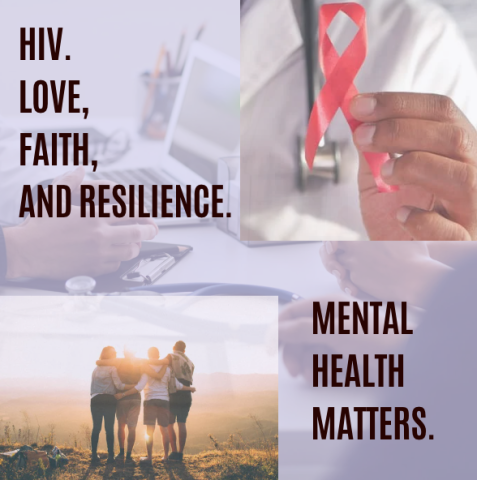
For decades, HIV has deeply impacted the lives of, most commonly, biological males. In the United States and globally, they continue to bear a disproportionate share of the epidemic. Despite tremendous medical advances, including the widespread availability of PrEP and antiretroviral therapy (ART), HIV remains not just a medical condition—but a deeply personal, social, and psychological experience.
One key element often missing from the HIV care conversation is mental health. Too frequently, care systems treat HIV as a biomedical issue alone, without addressing the emotional and psychological impact of the diagnosis, stigma, and daily life with the virus. For people living with or at risk for HIV, affirming, integrated mental healthcare is essential.
Living with HIV can be emotionally complex, even today. Coming to terms with a lifelong, chronic condition is deeply difficult. Regret and shame and self-blame for acquiring the disease causes profound stress. Despite increased awareness and education, stigma and misinformation persist. Many individuals still fear judgment or rejection from family, partners, and even healthcare providers. Some feel they might never be able to find love or a romantic partner because of their disease. All these collective thoughts and beliefs about oneself post-diagnosis can cause significant psychological distress, exacerbated by social experiences.
Common mental health challenges faced by people living with HIV include:
-
Depression: Rates of depression are significantly higher among people living with HIV than in the general population.
-
Anxiety: Fear of disclosure, uncertainty about health outcomes, and concern about infecting others can cause chronic anxiety.
-
Post-Traumatic Stress: For some, an HIV diagnosis may be experienced as a traumatic event, especially if it follows a distressing health scare or social fallout.
-
Substance Use: Many individuals turn to drugs or alcohol as a means of coping with the emotional weight of their diagnosis or past trauma. Many people suffering from addiction end up at higher risk of acquiring HIV, so the two experiences coincide and complicate each other.
-
Suicidal Ideation: Research consistently shows a heightened risk of suicidal thoughts and behavior among people living with HIV.
The burden doesn’t end with the diagnosis. Managing HIV involves lifelong treatment, relationship negotiations, and the emotional toll of navigating a still-stigmatized illness. For some, every doctor’s visit or pill can be a painful reminder of their status. Moreover, the connection between mental health and HIV goes beyond the basics for some. For gay men, bisexual men, transgender women, or other queer populations at risk of HIV, stigma becomes an even harder obstacle.
Being queer does not associate you with HIV diagnoses. This is a stereotype. But studies tell us that there are higher risks for the mental health burdens and relationships between HIV, having a queer identity in our society, and mental health challenges. These are difficult intersectional problems that are not in any way the fault of the individual.
For the queer community, HIV can become more of a risk due to the mental health burdens facing them in their environment because of a culture that perpetuates homophobia and heteronormativity. Low self-esteem and identity-related stress can reduce the likelihood of setting sexual boundaries which negotiates condom use. Substance use as a result of mental stress occuring during sex (chemsex) can impair judgment and increase risky behaviors. Experiences of discrimination or family rejection can lead to riskier coping strategies. Increases in chances of poverty as a result of these problems sometimes leads to increases in sex work. In short, mental health and HIV are both a prevention issue. When individuals have the support they need to be who they are and thrive in doing so, they are better able to nurture their sexual health.
So, what does affirming mental healthcare look like for people living with or at risk for HIV—especially in queer communities?
Affirming care means recognizing the intersection between identity, experience, and health. It means meeting clients where they are, without judgment or assumption. It means acknowledging that being gay or queer in a society that still often marginalizes LGBTQ+ identities brings with it unique mental health challenges—and then addressing those challenges with empathy and skill. Here are key elements of effective, affirming mental healthcare in the context of HIV:
-
Be Trauma Informed Regarding Chronic Illness
Certain types of existential therapy interventions can help support clinicians learn to empathize with the lives of those learning they have contracted chronic conditions; this changes their sense of identity, brings up new issues to ponder about their lives, and can be disorienting. There may also be new medical systems to navigate people have never dealt with before. Some may have medical trauma from previous experiences that is being reactivated. -
Normalize Discussions of Sexual Health
Clients should feel safe discussing their sex lives, partners, and behaviors without fear of being shamed or judged. Mental health professionals must be sex-positive and trauma-informed. -
Understand the Impact of Stigma
Mental health providers must be prepared to explore how societal attitudes impact a client’s mental wellness and decision-making. How does the client perceive those in their background and environment to receive the news of their condition? Do they feel safe? Do they feel shamed? Have they felt this shame before? How does this impact the client? -
Integrate HIV Education into Counseling
Clients may have misconceptions about HIV transmission, treatment, or the significance of their diagnosis. Therapists can play a role in educating and empowering clients to take control of their health. -
Support Disclosure and Relationship Dynamics
Navigating disclosure of HIV status to sexual or romantic partners can be one of the most anxiety-provoking aspects of living with the virus. Therapy provides a space to build confidence, develop communication strategies, and process outcomes. -
Offer Tools for Resilience and Coping
Whether someone is newly diagnosed or has been living with HIV for years, support is essential. Counseling should focus on building strengths, identifying support systems, and cultivating meaning in life beyond HIV.
One of the greatest antidotes to the isolation and shame often associated with HIV is community. Support groups, peer counseling, and culturally competent care models foster connection and reduce feelings of alienation. Connecting with others who share their experience can be a powerful reminder that they are not alone—and that they deserve joyful love and health. Mental health professionals should consider referring clients to local organizations and community networks that offer peer support, advocacy, and social spaces for HIV positive individuals.
Consider the experience of a man in his early thirties who recently tested positive for HIV. At first, he was consumed with panic. He worried about his future and the pain he could endure, the stress of the medical system, about finding love, about his worth and disclosing this to those close to him --- what people would think, how he would go on. But through regular sessions with an informed and affirming therapist, he began to process his diagnosis. He confronted the internalized shame. Over time, he reconnected with old friends, disclosed his status to a new partner who responded with compassion, and began seeing his future as liveable again. He knew it would be challenging, but he felt supported enough to face it. This is the potential of mental health care that meets people where they are and affirms who they are.
If you're a mental health professional, your role in HIV care is more important than ever. Here’s how you can help:
-
Get educated about HIV, sexual health, and the mental health needs of affected communities.
-
Create inclusive, welcoming spaces where clients feel safe to be open and honest.
-
Build partnerships with local HIV clinics and advocacy organizations.
-
Speak up against stigma and misinformation wherever you see it—whether in professional spaces or your broader community.
Remember, you don’t have to be an HIV specialist to make a difference. You simply need to listen, affirm, and walk alongside your clients on their journey. HIV is not a death sentence—but for many, it feels like one emotionally. The physical advances in treatment are not enough if we do not also address the mental scars left by years of fear, marginalization, and misinformation. Let’s commit to making mental health care a central part of the HIV response. No one should have to face this journey alone.