
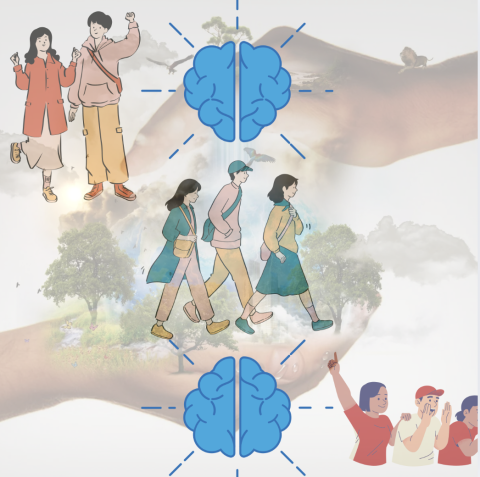
The early 20s are often described as a time of boundless opportunity, personal freedom, and self-discovery. But behind the filtered snapshots and highlight reels, this decade can also bring intense pressure, instability, and emotional overwhelm. At our mental health organization, we regularly support young adults who feel lost, anxious, or uncertain as they transition into adulthood. If you’re in your early 20s and struggling, you’re not alone—and your feelings are valid.
One of the defining characteristics of early adulthood is the abundance of choices. College or work? Stay or move? Date or commit? Travel or settle down? These decisions, while exciting, can also feel paralyzing. Many young adults internalize the belief that they must “figure everything out” by 25 or risk falling behind. Social media can amplify this pressure, making it seem like everyone else has a dream job, a thriving relationship, or a perfectly curated lifestyle.
But in reality, the early 20s are messy. They’re meant to be. This period is about laying the groundwork for who you are becoming—not rushing to a finish line. It's okay to feel unsure, to change your mind, or to take a nonlinear path. While every person’s experience is different, several common mental health concerns often emerge in this stage of life:
1. Anxiety and Uncertainty
The early 20s are filled with transitions, and with change often comes anxiety. Many young adults experience a pervasive sense of worry—about career paths, financial stability, relationships, and self-worth. Generalized anxiety disorder, social anxiety, and panic attacks can all surface during this time, especially when coping mechanisms haven’t been fully developed.
2. Depression and Isolation
Depressive symptoms can emerge as young adults navigate loss of structure (e.g., finishing school), feelings of inadequacy, or disconnection from their community. Loneliness is a frequent but under-discussed issue, particularly as old friendships shift and new ones take time to build.
3. Identity Confusion and Self-Esteem Issues
Questions of identity—Who am I? What do I value?—can feel overwhelming. If you’re questioning your gender identity, sexual orientation, career goals, or family roles, you might experience internal conflict. The early 20s are also a vulnerable time for comparison and imposter syndrome, particularly in academic or professional environments.
4. Burnout and Overcommitment
Trying to balance work, school, side hustles, social lives, and personal growth can quickly lead to burnout. Young adults often overextend themselves, either to meet external expectations or to feel “productive.” Rest may feel unearned or lazy, despite being essential to mental wellness.
Tools for Grounding and Growth
While no single strategy works for everyone, here are a few foundational tools that can support mental health during this complex phase of life:
1. Normalize Not Knowing
It’s okay to not have all the answers. In fact, most people don’t. Give yourself permission to explore, make mistakes, and change course. Life is not a straight line—and that’s a good thing. Uncertainty can be a sign of growth.
2. Build a Healthy Support System
Whether it’s friends, family, mentors, or a therapist, having people you can turn to for validation and perspective is crucial. Your early 20s are a great time to learn how to ask for help and how to receive it without shame.
3. Set Boundaries with Technology and Social Media
While it’s tempting to scroll endlessly, try to notice how your online habits affect your mental health. Are you comparing yourself to influencers? Feeling pressure to perform? Consider scheduling breaks from social media and curating your feed to include more affirming, authentic voices.
4. Prioritize Emotional Literacy
Learning to name and express your emotions is a powerful skill. Many young adults weren’t taught how to do this growing up. Therapy, journaling, or reading about emotional intelligence can help you better understand your inner world—and advocate for your needs.
5. Create Small, Sustainable Routines
Instead of chasing perfection, focus on small routines that keep you grounded—like a morning walk, evening reflection, or consistent meals. These practices help build emotional regulation and offer a sense of control amidst chaos.
When to Seek Professional Support
While many challenges in your early 20s are developmental and expected, that doesn’t mean you have to navigate them alone. If you’re experiencing any of the following, it may be time to connect with a mental health professional:
-
Ongoing feelings of hopelessness or worthlessness
-
Difficulty sleeping or eating regularly
-
Thoughts of self-harm or suicide
-
Persistent anxiety or panic attacks
-
Inability to focus or function at school or work
-
Substance use that feels out of control
You don’t need a crisis to reach out. Therapy can be a space to explore, process, and grow—not just to “fix” problems. One of the most empowering shifts in your early 20s is realizing that you get to define what success looks like for you. Maybe it’s not a six-figure job, a relationship, or a graduate degree. Maybe it’s waking up and liking who you are. Maybe it’s learning to say no. Maybe it’s healing from past trauma or finding joy in everyday things. Try not to measure your worth by someone else’s milestones. Your timeline is valid, your needs are important, and your growth is meaningful.
The early 20s are a remarkable and intense chapter in life. They are filled with contradictions: confidence and doubt, freedom and fear, growth and grief. Mental health support during this decade isn’t a luxury—it’s a necessity. Whether you're taking big leaps or small steps, please know that support is out there. Therapy, peer support, and self-compassion can guide you through the turbulence. And wherever you are on your path, you are not behind. You are becoming.