
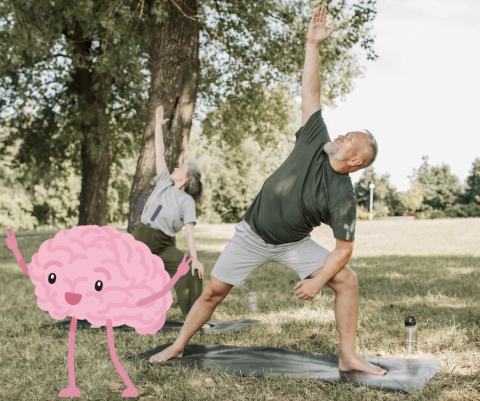
Mental health is often discussed in terms of thoughts, emotions, relationships, and perspective — but our bodies play a powerful role in how we feel psychologically. Nutrition and exercising specifically will directly influence mood regulation throughout the day. These areas also influence energy levels and sleep, which often determine our ability to cope with stress. While nutrition and exercise are not cures for mental health conditions, they are foundational supports that can reduce the stress of negative emotions and enhance the effectiveness of therapy and/or medication.
When nutrition and physical activity are neglected, people often notice emotional consequences: low mood, brain fog, heightened anxiety, poor sleep, and reduced stress tolerance. Conversely, when basic physical needs are supported, many individuals experience subtle but meaningful improvements in mental clarity, emotional steadiness, and overall well-being.
The brain requires fuel, rest, and circulation to function optimally. Neurotransmitters such as serotonin, dopamine, and norepinephrine—chemicals that influence mood, motivation, and focus—are synthesized from nutrients we obtain through food. Blood sugar stability affects irritability, anxiety, and concentration. Inflammation and gut health have been linked to depression and cognitive functioning. Movement, in turn, increases blood flow to the brain and helps regulate the nervous system. Movement outside, like walking, that involves sunlight and fresh air is even better. Many people find a meditative quality in walking.
Healthy Eating as Emotional Support
Regular nourishment supports stable energy and brain function. One of the most important aspects of eating for mental health is consistent intake throughout the day. Eating a varied diet that includes multiple food groups increases the likelihood that these needs are being met without requiring rigid tracking or supplementation. Skipping meals, long gaps between eating, or erratic patterns can contribute to mood swings, irritability, and fatigue. Regular meals help regulate blood sugar, which in turn supports emotional regulation and concentration.
Rather than focusing on diets, restrictions, rules, or elimination of "non-nutritional foods," it is more helpful to ask: Am I eating often enough? Am I including a balance of nutrients? Think about how to support your daily routine with your food intake. Many find adding a protein source at breakfast or a midday meal to compliment your intake of caffeine can make a noticeable difference.
While no single food determines mental health, certain nutrients play especially important roles:
-
Complex carbohydrates (whole grains, fruits, vegetables, legumes) provide steady energy and support serotonin production.
-
Protein supplies amino acids needed for neurotransmitter synthesis and helps stabilize blood sugar.
-
Healthy fats, particularly omega-3 fatty acids found in fish, nuts, seeds, and some plant oils, are associated with brain health and mood regulation.
-
Micronutrients such as iron, B vitamins, magnesium, and zinc support cognitive functioning and nervous system regulation.
Emerging research continues to explore the connection between gut health and mental health. The gastrointestinal system contains its own nervous system and communicates bidirectionally with the brain. Diets that include fiber-rich foods, fermented foods, and adequate hydration may support a healthier gut environment, which in turn may influence mood and stress response. Importantly, digestive health is also affected by stress, trauma, and anxiety—making this relationship circular rather than one-directional. Gentle attention to eating patterns can therefore serve both physical and emotional healing.
Exercise as a Mental Health Tool
Exercise is often framed as a means of weight control, body fitness and composition, or physical strength --- but we can think about it more as simply a mental health requirement. Movement influences mood through biochemical, neurological, and psychological pathways. There is a key distinction to be made between exercise and movement. Exercise sometimes insinuates building strength, focusing on the physical composition of the body, and achieving goals. Movement, rather, is about health. Movement creates mindfulness, flexibility, and a gentle reminder to take care of the body, home, your mind lives in.
Consistent physical movement stimulates the release of endorphins and endocannabinoids, chemicals associated with improved mood and reduced pain perception. It also helps regulate cortisol, the body’s primary stress hormone. Even short bouts of movement can reduce acute anxiety and create a sense of emotional release. For individuals living with depression, mindful movement may increase energy and motivation over time, though it can feel especially difficult to initiate during low periods. You can start very small, incorperating stretches and short walks. For those with anxiety, more stimulating movement or exercise can provide a healthy outlet for excess physiological arousal.
Exercise helps the nervous system learn flexibility. Rhythmic, moderate-intensity activities—such as walking, swimming, or yoga—can be particularly effective at calming the nervous system and promoting a sense of safety in the body. Strength-based or higher-intensity movement can support confidence, agency, and emotional discharge when approached mindfully. The most effective form of exercise for mental health is often the one that feels accessible and tolerable, not the most intense or time-consuming.
Regular physical activity has been associated with improved concentration, memory, and executive functioning. It can also enhance self-efficacy—the belief that one can take meaningful action in their own life. For individuals struggling with hopelessness or low self-esteem, this sense of agency can be a powerful psychological benefit.
Compassion and Flexibility
Mental health challenges themselves can make healthy eating and exercise difficult. Depression can reduce or increase appetite or motivation. Anxiety can disrupt digestion. Trauma can create complicated relationships with the body. Chronic stress can make planning and consistency feel overwhelming. For these reasons, compassion is essential. Healthy habits should be framed as supports, not obligations. Small, flexible steps are more sustainable than drastic changes. Examples include:
-
Adding one nourishing snack per day
-
Taking a 10-minute walk a few times a week
-
Choosing movement that feels enjoyable
-
Letting go of all-or-nothing thinking around food and exercise
Progress in mental health is rarely linear, and physical self-care should adapt to changing emotional needs rather than becoming another source of pressure. Healthy eating and exercise are most effective when integrated into a broader mental health framework that may include therapy, medication, social support, and rest. Mental health improves when they develop respectful, sustainable relationships with their bodies. Food becomes nourishment rather than control. Movement becomes connection rather than punishment. For those unsure where to begin, consider these guiding questions:
-
What food helps me feel more steady and supported during the day?
-
When do I notice my mood or energy dip?
-
What kind of movement leaves me feeling calmer or clearer afterward?
Healthy habits can grow organically over time. Healthy eating and exercise support brain function, emotional regulation, stress resilience, and overall psychological well-being. When approached with flexibility and compassion, they become powerful tools for mental health. Individuals can build a more stable foundation for long-term well-being with nourishment and movement.