
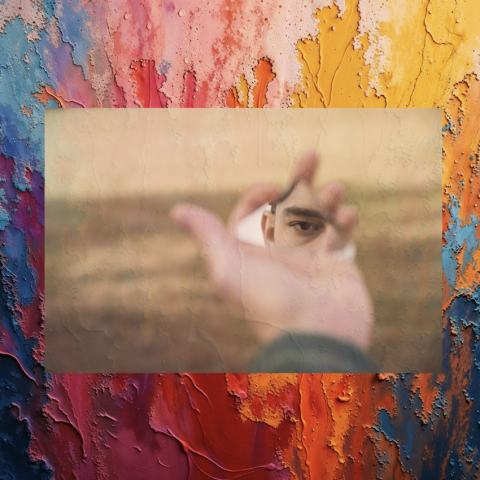
When people think about therapy, they often imagine sitting in a chair talking through emotions, memories, or challenges. While traditional talk therapy can be deeply effective, sometimes emotions are difficult to explain. Sometimes grief feels too heavy to name, anxiety moves too quickly to describe, or trauma exists in the body before it can be organized into language. This is where art therapy can become a powerful path toward healing.
Art therapy is a form of psychotherapy that uses creative expression as a tool for emotional exploration, self-understanding, and psychological growth. It is not about artistic talent or creating something “good.” In fact, one of the most important aspects of art therapy is that artistic skill is completely irrelevant. The value lies in the process, not the product. The most beautiful part about the creations are the uniqueness, individuality, and what is there to be discovered about you. Through painting, drawing, sculpting, collage, photography, or other creative forms, individuals can explore thoughts and emotions that may feel inaccessible through conversation alone. Art becomes a bridge between internal experience and external expression.
Art therapy is facilitated by trained mental health professionals who integrate psychological theory with creative techniques to support emotional wellbeing. Sessions may involve structured activities or open-ended creative exploration depending on the client’s goals and needs.
A therapist might ask a client to:
-
Draw what anxiety feels like in the body
-
Create a collage representing identity or life transitions
-
Use colors and shapes to express grief
-
Paint a “safe place”
-
Sculpt a representation of resilience or hope
Art therapy can help individuals:
-
Process trauma
-
Reduce stress and anxiety
-
Improve emotional awareness
-
Strengthen self-esteem
-
Increase cognitive flexibility
-
Enhance communication
-
Develop healthier coping skills
-
Foster self-compassion
Importantly, art therapy is not only for children or artists. People of all ages and backgrounds can benefit from creative therapeutic work.
Human beings are naturally creative. Creativity is not limited to painters, musicians, or writers; it is part of how we make meaning of our experiences. Long before we could articulate emotions verbally, we communicated through images, movement, symbols, and storytelling. Art therapy taps into this deeper form of expression.
When emotions become overwhelming, the brain’s verbal processing systems can sometimes shut down or become impaired. This is especially common in trauma, depression, and high anxiety states. Creative expression can bypass some of these barriers by engaging sensory and emotional systems in a different way.
Art allows people to externalize internal experiences. Instead of carrying fear, sadness, or confusion solely inside the mind, individuals can place those feelings onto paper, canvas, or clay. This often creates psychological distance that makes difficult emotions feel more manageable and less consuming.
For some individuals, seeing an emotion visually represented can create insight that words alone never reached.
A person may say, “I didn’t realize how trapped I felt until I drew it.” One of the most researched applications of art therapy is trauma treatment, because trauma and avoidance or suppression are tightly linked. Traumatic experiences are often stored in fragmented sensory and emotional ways rather than organized narratives. Survivors may struggle to explain what happened or may feel disconnected from their own experiences altogether. Importantly, art therapy does not force people to revisit trauma before they are ready. Instead, it allows individuals to approach painful experiences symbolically, creatively, and at their own pace.Traditional verbal processing can sometimes feel overwhelming, inaccessible, or even retraumatizing if approached too quickly. Creative expression offers a gentler pathway.
Art therapy can help trauma survivors:
-
Rebuild a sense of safety
-
Process difficult memories gradually
-
Restore emotional regulation
-
Reconnect with the body
-
Reclaim agency and personal identity
Art Therapy Across the Lifespan
Art therapy can be especially valuable because it adapts to different developmental stages and life experiences.
Children and Adolescents
Children often lack the vocabulary to articulate complex emotions. Play and creativity are their natural language. Through drawing and imaginative expression, therapists can better understand a child’s fears, family dynamics, emotional struggles, or internal conflicts.
Art therapy may help children coping with:
-
Anxiety
-
Behavioral challenges
-
Divorce or family conflict
-
Bullying
-
Grief
-
Trauma
-
Social difficulties
For adolescents, creative expression can also support identity formation and emotional regulation during a period of significant developmental change.
The act of creating itself can be regulating for the nervous system. Repetitive artistic movements such as drawing lines, blending paint, shaping clay, or coloring can create grounding and mindfulness. This helps shift the body out of chronic survival states and into a calmer, more present experience. It's meditative.
Adults
Adults frequently enter therapy believing they must explain themselves perfectly or intellectually “figure out” their emotions. Art therapy offers permission to move away from constant analysis and instead experience emotions more directly and authentically.
This can be especially helpful for individuals who:
-
Feel emotionally disconnected
-
Struggle with perfectionism
-
Have difficulty identifying feelings
-
Experience burnout or chronic stress
-
Over-intellectualize emotional experiences
Art therapy reminds adults that healing is not always linear, logical, or verbal.
Older Adults
For older adults, art therapy can support emotional wellbeing, cognitive engagement, and meaning-making during major life transitions. Retirement, grief, chronic illness, caregiving stress, physical limitations, and questions about identity can all impact mental health later in life.
Creative expression provides opportunities for reflection, connection, and continued growth.
Art therapy with older adults may:
-
Reduce loneliness and isolation
-
Improve mood
-
Support memory and cognitive stimulation
-
Encourage social connection
-
Help process grief and loss
-
Reinforce a sense of purpose and identity
Even individuals living with dementia may benefit from creative activities that access emotional memory and nonverbal communication.
Art as a Path Toward Self-Understanding
One of the most healing aspects of art therapy is learning to release the pressure to perform.
Many people initially resist art therapy by saying:
“I’m not artistic.”
“I can’t draw.”
“I’m bad at art.”
Learning to create freely — without needing the result to be perfect — can become its own therapeutic experience.
The process teaches flexibility, self-acceptance, and tolerance for imperfection.
Sometimes healing begins the moment a person allows themselves to make a messy mark without apologizing for it.
At its core, art therapy is about connection:
-
Connection to emotion
-
Connection to memory
-
Connection to identity
-
Connection to the self
Creative expression can uncover parts of ourselves that have been ignored, silenced, or hidden beneath survival and routine. It can help individuals access grief they never allowed themselves to feel, hope they thought they had lost, or resilience they did not realize they possessed. Art therapy reminds us that healing is not only about fixing symptoms. It is also about creating meaning, reclaiming authenticity, and developing a deeper relationship with ourselves.