
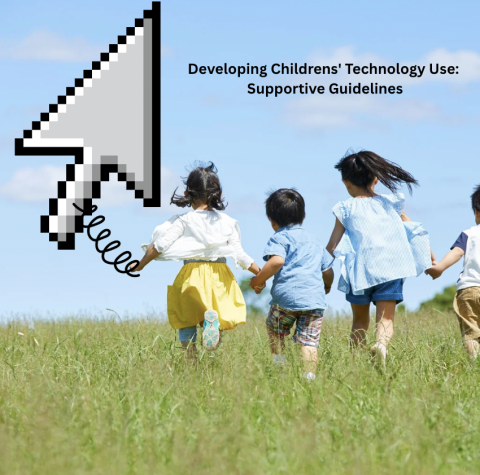
Moving into the year 2026, it's time to think about how we want to model and care for our developing children in the age of increasing dependence on technology. We do not want to shame technology use, parents who encourage technology use, or the way society is progressing with artificial intelligence. Defiance and a deeply negative attitude might not help us bond with our children over artificial intelligence the way we want to and need to. It's understandable that we want to have some level of denial about the world we live in when it feels too hard and heavy to hold. We're confused and scared about the powers that be sometimes. But for the sake of a healthy attitude in the home and fostering hope, we want to work with the grain and move along with the flow in a way that protects children and keeps them safe. We don't want them to feel pessimistic and hopeless. We want them to feel empowered in the world today! We want to teach them the critical thinking skills to make decisions about technology --- we want them to determine their values on the subject in their own right. Then, we want to teach them how to act in line with their own values.
1. Model healthy technology habits and they will follow. Whatever you do, your children will internalize. It's not about what we say to our children but about how they see our own behavior. If you set boundaries around your technology use and time spent using technology, then it will be easier for them to see and understand how they might want to. To make the point even more clear, you might create predictable tech-free times around meals or bedtime so the message gets across, and it also feels like a community event. The time spent away from phones, computers, tablets, and the TV might even have a purpose. Is it a time to connect and catch up? To go outside? To do a meditative activity such as a puzzle or reading? Is it a time to do an art project or build with blocks? If the children get used to predicting this time, they might also get used to planning how they want to spend it. They'll have an easier time figuring out what they enjoy doing and what they care about!
2. Sometimes it's not just about the limits we set in technology and the avoidance of it's use, but really making a special moment out of the free time without it. Are you setting up your kids on playdates with other children as often as you would like to? Have you encouraged them to play a sport or participate in a group hobby? Do they help cook at mealtimes? What kind of life have you created outside the realm of technology for them to value and look forward to? A risk factor for over-reliance on artificial intelligence later in life is a struggle with social skills and emotional regulation. Artificial intelligence and technology are dependency risks just as any other vice, which comes from a social and emotional deficit. When children can name feelings, they rely less on digital distraction to soothe. When children feel they can have a fulfilling social life, they are confident to take risks and rely on self.
3. Limit shame and punishment around technology. Technology is designed to be addictive --- it is not the child's fault that they become so increasingly dependent. It's made that way! Technology is also designed to make them feel connected to other people even when they really are not so connected. Children want technology to avoid loneliness. It's your job to help them understand the difference between virtual connections and in-person connections without making them feel one is invalid or unimportant. You do not want to dismiss or deny the fact they feel good and less alone when they rely on technology. It can be used as a coping skill in moderation the same way anything that feels good can. There is a balance between self-soothing and resource utilization. You also do not want to make technology use such a point of contention and deprivation that they crave it more because you're making it a special reward. It's become so similar to food --- if you make it a prize, the child sees food as a reward, and develops an unhealthy relationship with nourishment. They begin over-eating to get that same feeling. Open conversations about technology without shame or anger foster trust with themselves and their ability to choose ---- it fosters thoughtful use. Teach them and help them make their own decisions. They won't make perfect decisions and neither will you. There is no perfect way to navigate such a complicated and large contextual shift in our world and how it functions. We're all new to this.
This year: model healthy boundaries with technology, create a socially and emotionally fulfilling environment without technology, and encourage a positive sweet spot to have conversations about personal values when it comes to integrating technology into our lives!