
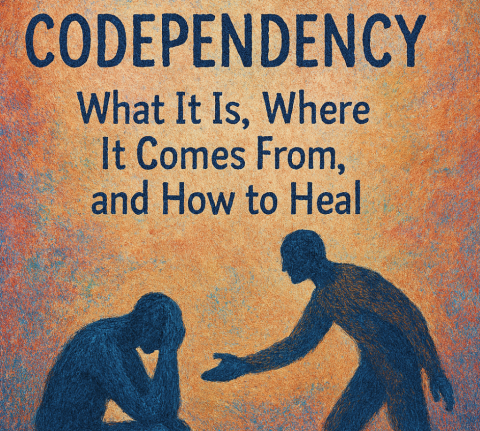
Codependency is one of those terms that gets thrown around a lot, especially in conversations about relationships, mental health, or addiction. But what does it actually mean—and how do you know if it’s affecting you or someone you love?
At its core, codependency is a pattern of behavior where someone prioritizes another person’s needs, emotions, or problems above their own in a way that becomes unhealthy. It often shows up in relationships where one person loses a sense of self trying to help, fix, or take care of someone else. While caring deeply is a strength, codependency takes it to an extreme that can leave both people feeling stuck, depleted, or emotionally enmeshed.
Let’s take a deeper look at what codependency is, how it develops, and—most importantly—how healing and healthy boundaries can break the cycle.
What Is Codependency?
Codependency isn’t a clinical diagnosis, but it’s widely recognized by therapists as a set of relational patterns that can lead to emotional distress and imbalance. People who are codependent often:
-
Feel responsible for other people’s feelings, actions, or well-being
-
Struggle to say “no,” even when something is hurting them
-
Derive self-worth from being needed or fixing others
-
Fear abandonment or conflict, and try to “keep the peace” at all costs
-
Ignore or suppress their own needs, desires, or boundaries
You might see codependency in romantic relationships, family dynamics (especially between parents and children), friendships, or even in workplace settings.
While codependent behaviors might look like love, care, or dedication on the surface, they’re often driven by fear, low self-esteem, or a need for control.
Where Does Codependency Come From?
Codependency often has roots in childhood experiences, especially in environments where emotional needs were not consistently met.
For example:
-
Growing up in a household with addiction, mental illness, or abuse
-
Being “parentified” as a child—taking on adult responsibilities too early
-
Receiving love or approval only when being helpful or obedient
-
Learning that expressing needs leads to rejection, conflict, or guilt
In these situations, children often learn that the best way to stay safe or loved is to put others first—sometimes at the cost of their own identity. These patterns can carry into adulthood and become deeply ingrained.
It’s important to note that codependency doesn’t mean someone is weak or flawed. It often develops as a survival strategy—a way of adapting to a chaotic or emotionally unsafe environment.
Signs of Codependency
Wondering if you might have some codependent tendencies? Here are a few common signs:
-
You feel anxious or guilty when focusing on your own needs
-
You often say “yes” even when you’re overwhelmed
-
You feel like you’re constantly giving but not receiving
-
You fear being alone or abandoned
-
You define your worth by how much you help others
-
You try to “fix” people or rescue them from consequences
-
You find it hard to identify your own emotions or needs
Codependency exists on a spectrum. Some people may experience mild patterns in certain relationships, while others may feel consumed by them.
The Impact of Codependency
Living in a codependent dynamic can be exhausting—for both people involved.
The person who is overly focused on helping or saving others may feel:
-
Burned out
-
Resentful
-
Invisible or unappreciated
-
Confused about their identity outside the relationship
Meanwhile, the person being helped may become overly reliant, avoid responsibility, or feel smothered.
Over time, codependent relationships can become a cycle of dysfunction: one person over-functions, while the other under-functions, reinforcing the imbalance. This dynamic can prevent real growth, intimacy, or healing on either side.
How to Begin Healing from Codependency
The good news? Codependency is learned—and it can be unlearned. Healing often begins with self-awareness and compassion.
Here are some steps to get started:
1. Recognize the Pattern
Start by acknowledging your behaviors without judgment. Are you consistently putting others first at the cost of your own well-being? Are you afraid to say no, or feel responsible for others’ happiness?
Awareness is the first step toward change.
2. Explore the Roots
Many people find it helpful to reflect on their early experiences. Were you taught that love must be earned? Did you learn to suppress your feelings to avoid conflict?
Working with a therapist can help you unpack these early patterns and rewrite the messages you received.
3. Practice Boundaries
Setting and maintaining healthy boundaries is essential in breaking codependent patterns. This might include:
-
Saying no without over-explaining
-
Allowing others to experience the consequences of their actions
-
Taking time for your own rest, hobbies, and healing
-
Letting go of the need to “fix” everything
Boundaries aren’t about being selfish—they’re about being clear.
4. Rebuild Your Relationship With Yourself
Many people who struggle with codependency have lost touch with who they are outside of caregiving roles. Start asking:
-
What do I want or need today?
-
How do I feel in this moment?
-
What brings me joy, peace, or energy?
This kind of self-connection helps restore your sense of identity and worth.
5. Seek Support
Recovery from codependency isn’t always easy, but you don’t have to do it alone. Therapy, support groups (like Co-Dependents Anonymous), or even conversations with trusted friends can make a huge difference.
From Codependency to Connection
Codependency often masquerades as care—but true, healthy connection doesn’t require self-sacrifice. It’s built on mutual respect, open communication, and the ability for each person to take responsibility for themselves.
As you begin to break free from codependent patterns, you may notice:
-
More balanced and fulfilling relationships
-
Greater emotional stability
-
Increased self-worth and confidence
-
A deeper sense of peace and clarity
Healing is a journey. Be gentle with yourself as you unlearn old patterns and build new ones. Every small step toward self-awareness and boundary-setting is a powerful act of self-respect.
You are allowed to take up space. You are allowed to have needs. You are allowed to let others grow on their own.
If you’re starting to question or explore your relationship patterns, that’s already a meaningful first step. You deserve relationships that nourish you, not ones that drain you.
If you or someone you know is struggling with codependency or its effects, consider reaching out to a therapist or support group. Healing is possible—and help is available.